Search
 Library
 Alumni


The University of International Business and Economics (UIBE) organized two thematic sessions at the 2026 Global Governance Forum (Xiong'an), held in Xiong'an New Area, north China's Hebei province, from Oct. 23 to 25.
The forum brought together Chinese and international experts to explore how to revitalize the World Trade Organization (WTO) and give developing countries a greater role in shaping international trade rules.
Hosted by the Chinese People's Institute of Foreign Affairs, the forum was themed "Rebuilding Confidence and Cooperation: Reforming and Improving Global Governance in a Transforming World." Nearly 400 representatives from more than 90 countries, regions and international organizations, including the United Nations (UN), attended the opening ceremony.
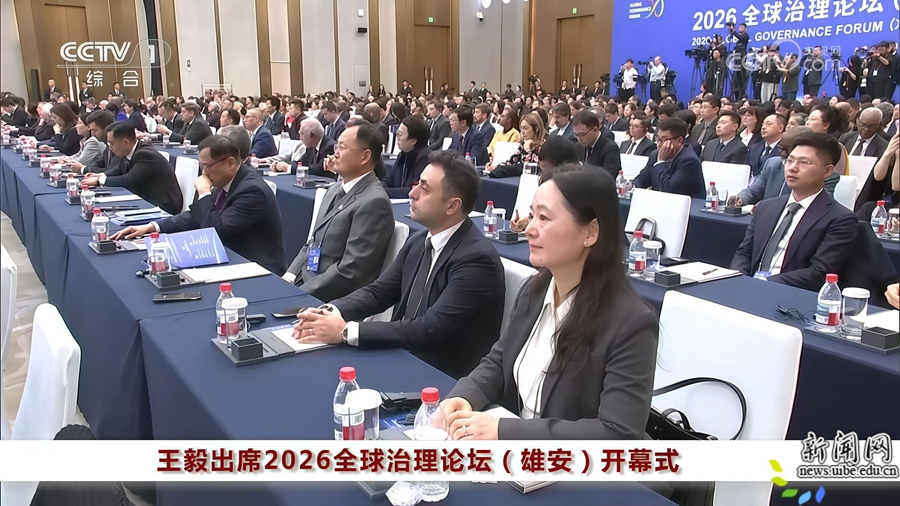
Huang Baoyin, secretary of the CPC UIBE Committee, attended the opening ceremony and a high-level banquet. In an interview with Xinhua News Agency, he highlighted China's commitment to working with international partners for a better future, saying that China's vision of building a community with a shared future for humanity responds to the aspirations of people worldwide and serves as a source of confidence and impetus for advancing reforms for better global governance.
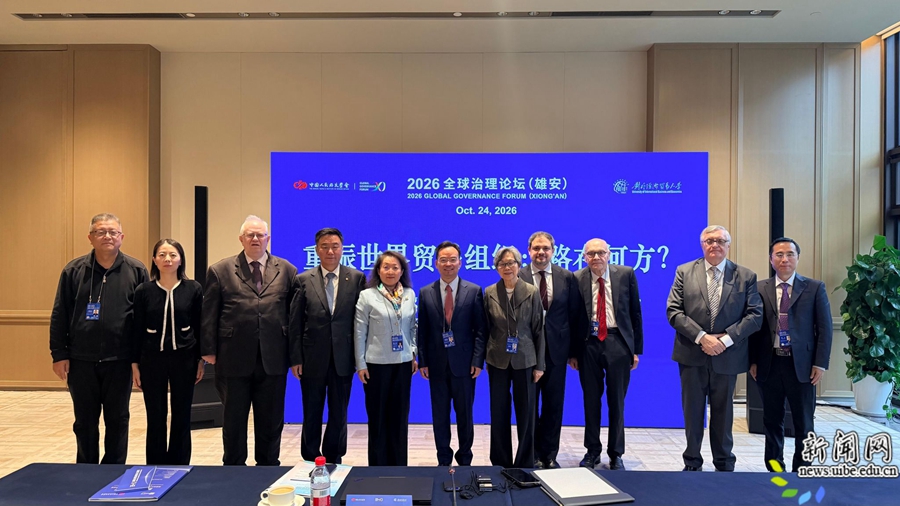
Roundtable: Revitalizing the multilateral trading system
An Oct. 24 roundtable organized by UIBE's China Institute for WTO Studies as part of the ongoing forum explored ways to revitalize the WTO amid rising protectionism and profound shifts in global value chains. The discussion was moderated by Tu Xinquan, dean of the institute.
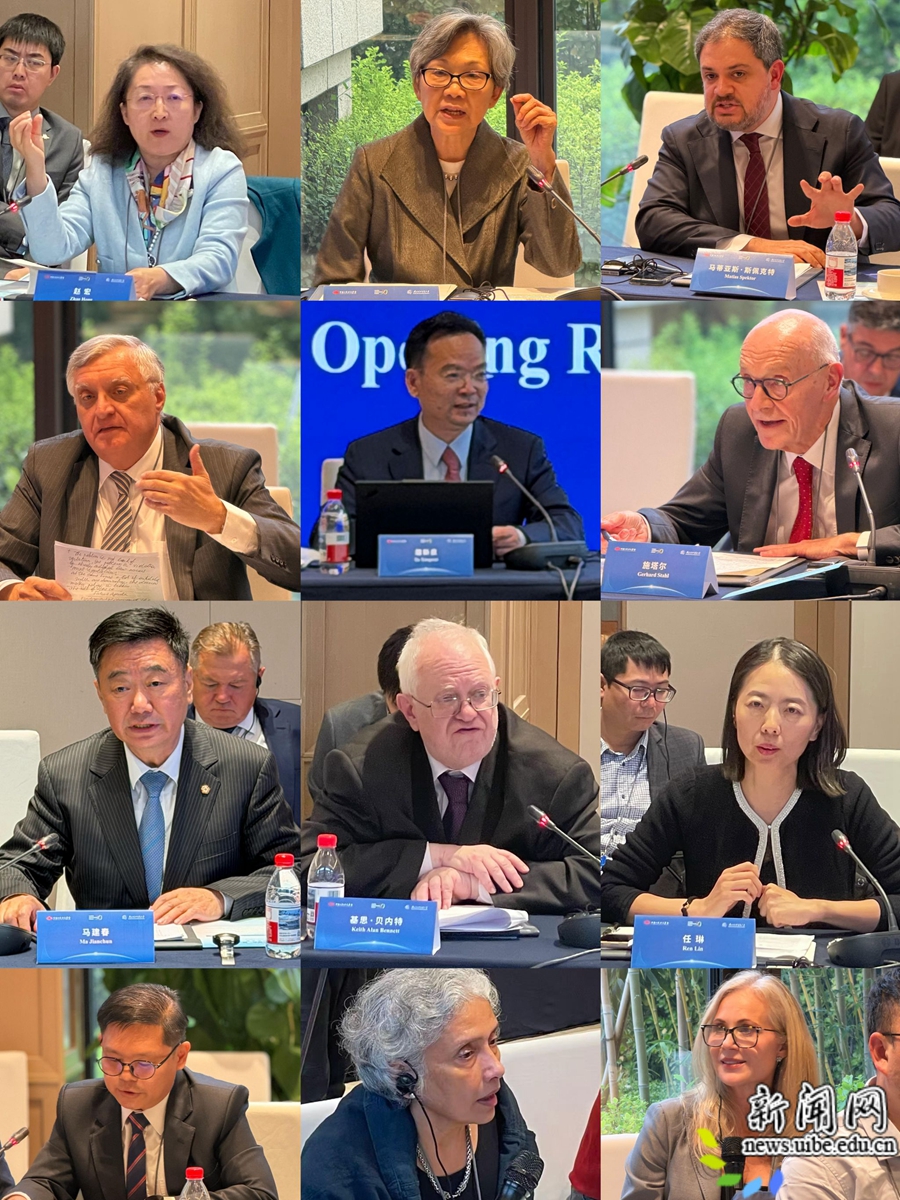
Participants reaffirmed the value of the multilateral trading system and opposed unilateralism. Many of them stressed the need to uphold the most-favored-nation principle, restore the WTO's dispute settlement mechanism and prevent the abuse of national security exceptions.
The participating experts also advocated for more flexible negotiations and clearer rules on sensitive issues. They further proposed to place developing countries' legitimate concerns high on the WTO reform agenda, and strengthen cooperation among China, Europe and other stakeholders to advance the WTO reform.
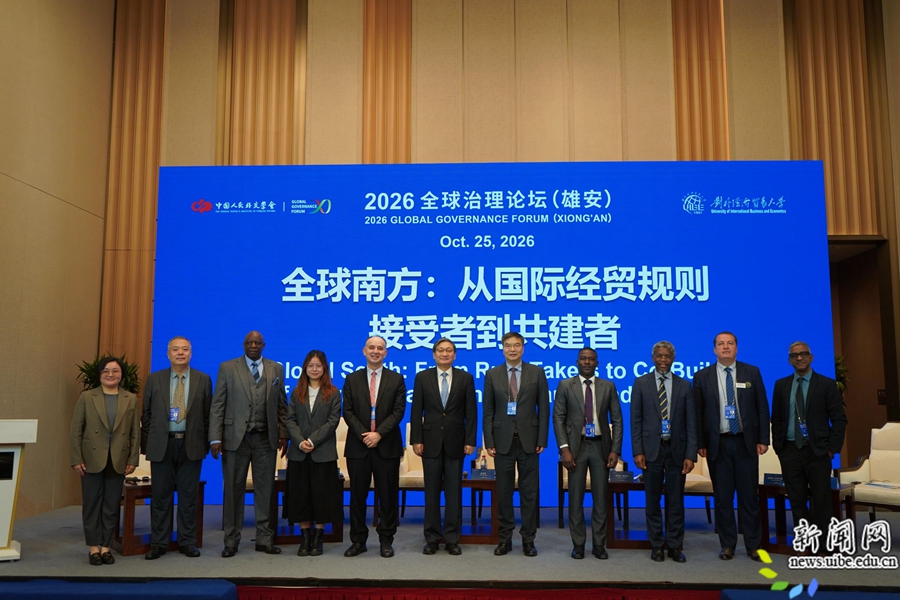
Workshop: Global South - From rule-takers to co-builders of rules
The BRICS Research Center of UIBE organized a workshop at the forum on Oct. 25, focusing on how the Global South could move beyond taking international trade rules to actively shaping them.
Chaired by Lan Qingxin, director of the center, the workshop featured remarks by Zhao Zhongxiu, former president of UIBE, and Liu Yuxi, ambassador for the affairs of the Forum on China-Africa Cooperation, among other speakers.
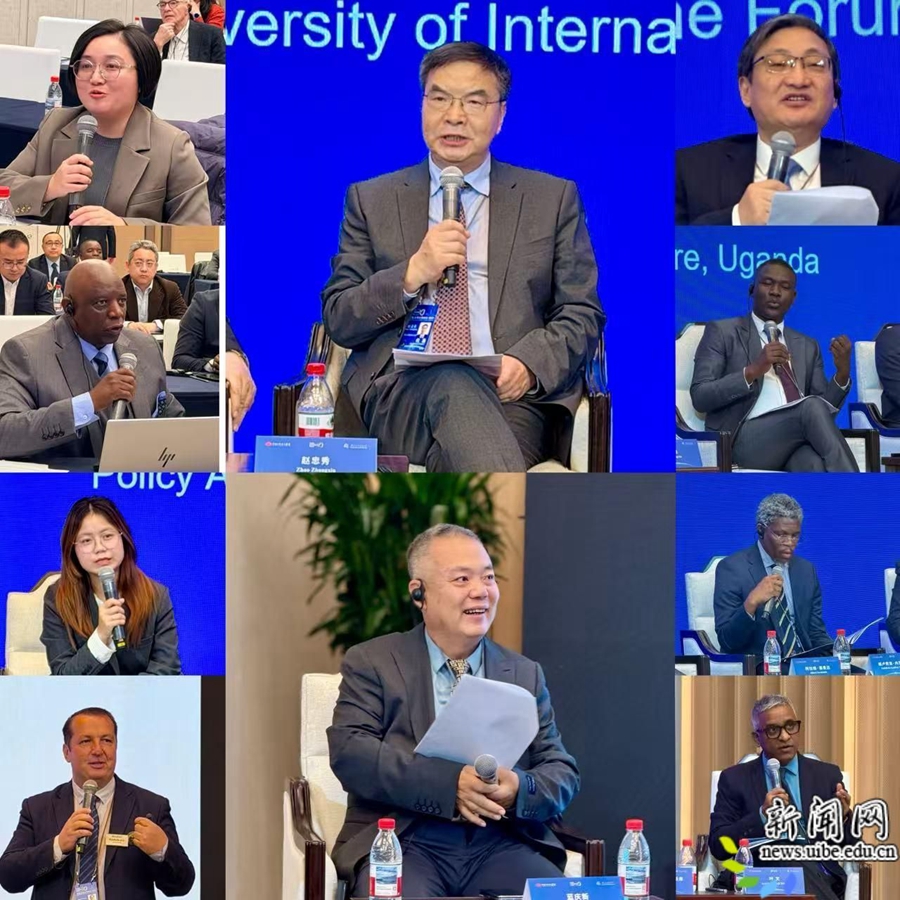
Participants agreed that, given its economic scale and diverse development pathways, the Global South should move from being a taker of international rules to an active co-builder of them. They called for stronger South-South cooperation, improved access to development finance and greater representation in international institutions, including the UN.
Proposals included exploring inclusive financing and local-currency settlement, aligning foreign investment with domestic industrial upgrading, and engaging in the development of technical standards at an early stage.
Participants also highlighted the potential of BRICS cooperation and closer exchanges among universities and think tanks to help ensure that international rules better address the interests and concerns of developing countries.
At the workshop, the center presented its research findings on trade and investment facilitation in the Global South from the perspective of global economic governance, and discussed plans for a joint research network on Global South trade governance, international dialogues on global governance and a teaching initiative on the future governance among the Global South.
These efforts aim to extend forum's discussions into sustained cooperation in research, policy dialogues and talent development.
Beyond the two thematic sessions, UIBE scholars also contributed to discussions at other sessions throughout the forum.
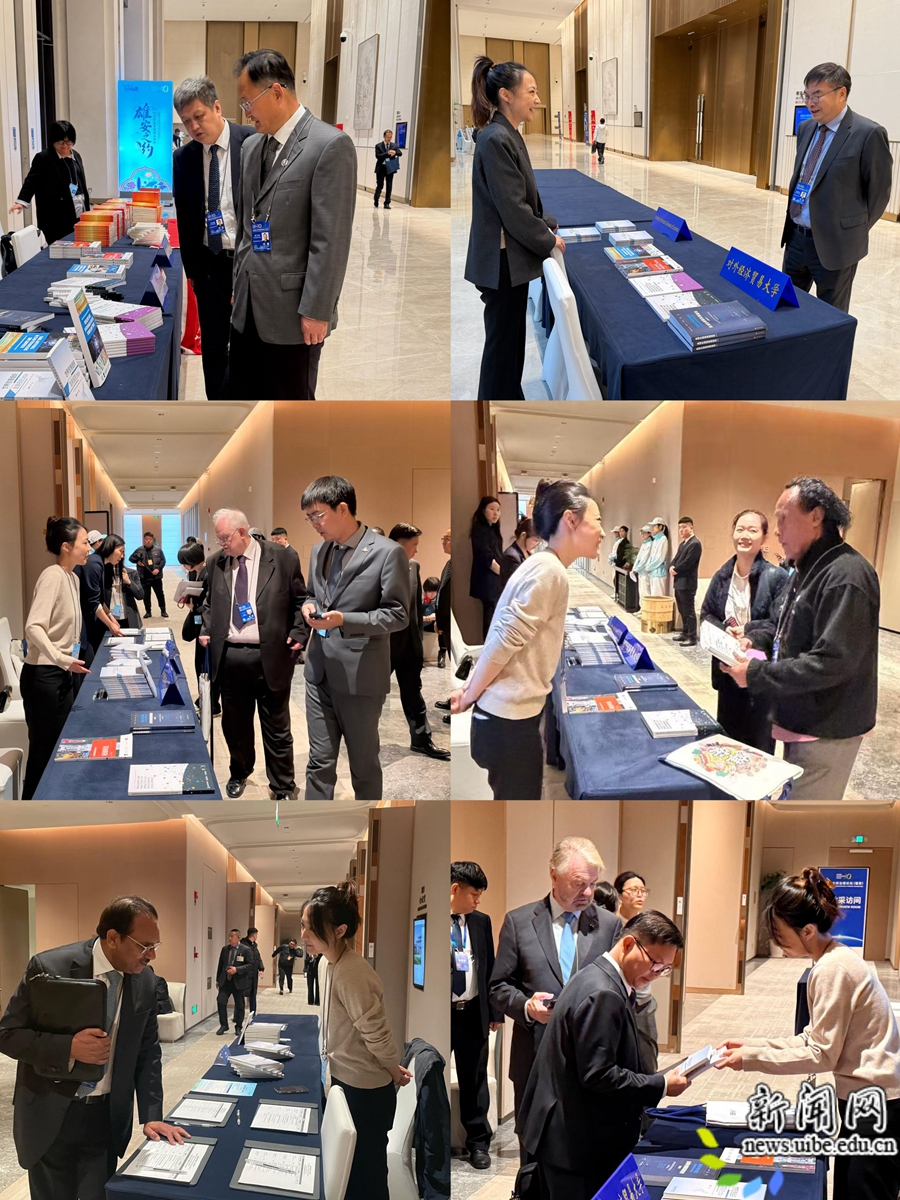
At the forum, the university showcased its publications highlighting its research in global governance, international trade and foreign-related rule of law.